


Last Updated: November 12, 2026
Quick Summary
The right rise is the one where the waistband sits at your natural waist without gaping at the back or digging into your stomach or ribs. Measure the rise of a pair of jeans you already own, from the crotch seam to the top of the waistband, and compare it with your torso length from hip bone to natural waist. Sit and bend to test the fit before you buy.
- Measure the garment rise from crotch seam to waistband top at the center back.
- Measure your torso from the top of your hip bone to your natural waist.
- A garment rise close to your torso measurement gives a comfortable fit.
- Test each pair by sitting, bending and walking before committing.
- Petite cuts shorten the rise as well as the leg.
Table of Contents
- Understanding Low, Mid, and High Rise
- High-Rise vs. Mid-Rise Jeans: Which Suits Your Shape
- How to Measure Jeans Rise and Your Torso
- Matching Rise to Your Body Shape
- Choosing a Rise for a Short Torso
- Choosing a Rise for a Long Torso
- Fit Checks, Styling, and Your Next Pair This Season
- Frequently Asked Questions
Understanding Low, Mid, and High Rise
Choosing the right rise is one of the fastest ways to get a better fit in jeans and trousers. Most fit frustration starts with the rise, not the leg. The rise is the distance from the crotch seam to the top of the waistband, and it decides where the waistband sits on your body.
A low rise sits on or just below the hip bone. A mid rise sits at or slightly above the natural waist, usually near the hip bone's top edge. A high rise sits at or above the natural waist, often close to your belly button.
Each option changes the silhouette in its own way:
- Low rise: Elongates the torso and suits a longer, leaner look
- Mid rise: Works for most builds and is a versatile everyday choice
- High rise: Defines the waist and draws the eye to the midsection
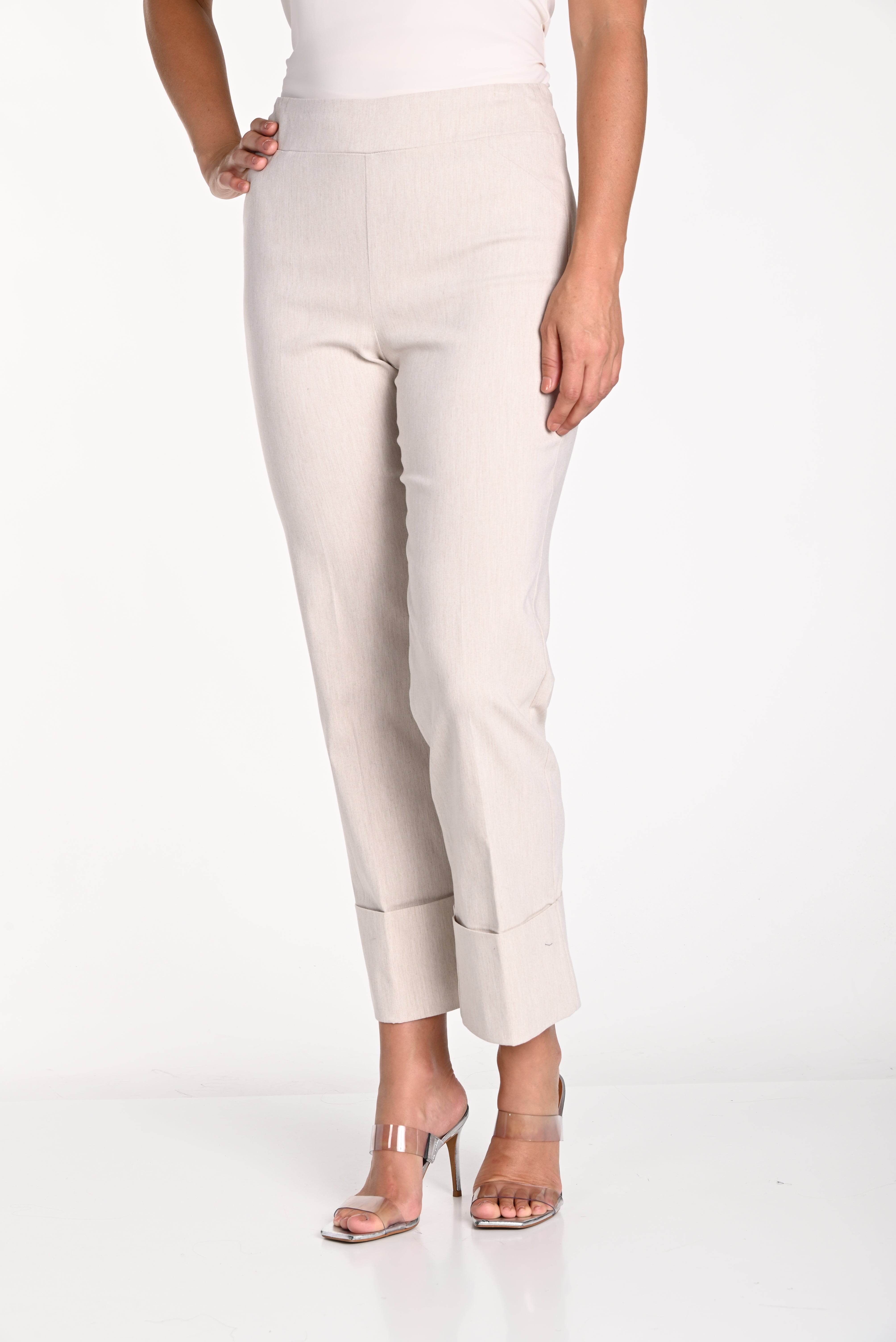
Our High-Rise Trousers from Frank Lyman feature a high-rise, straight cut.
High-Rise vs. Mid-Rise Jeans: Which Suits Your Shape
High-rise and mid-rise cuts are the two options most shoppers compare. The right choice depends on where you want the waistband to land and how you want the waist to read.
A high-rise cut creates the most waist definition. A mid-rise cut sits lower and feels more relaxed.
Try this quick comparison in the fitting room:
- Sit down and check whether the waistband digs in or gaps at the back
- Stand and check whether the rise covers your stomach without bunching
- Walk for a few steps and see if the fabric stays in place
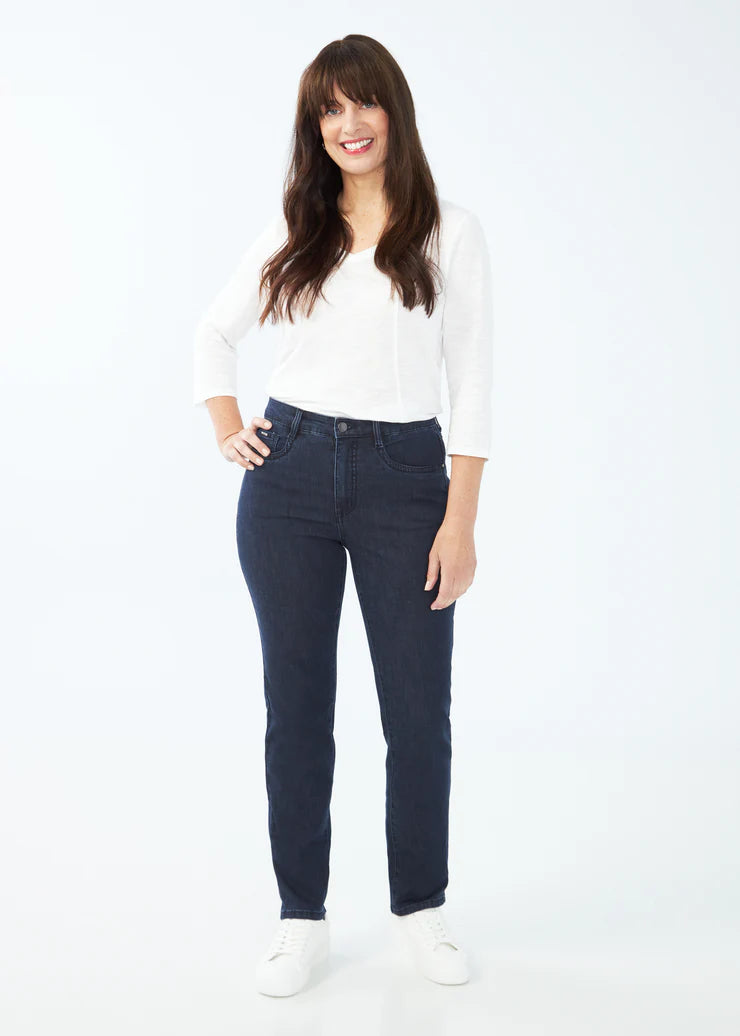
If you want a high-rise option with a classic shape, explore our French Dressing Jeans Suzanne Relaxed Slim Leg in high rise. For a mid-rise pick in the same brand, see the French Dressing Jeans Petite Olivia Straight Leg in mid rise to compare the two directly.
How to Measure Jeans Rise and Your Torso
Brand sizing varies, so measuring helps you choose with confidence. Two measurements make the biggest difference.
Measure the garment rise: Lay a pair of jeans or trousers you already own flat. Measure from the crotch seam up to the top edge of the waistband at the center back. Record the number.
Measure your torso: Stand straight and find the top of your hip bone and your natural waist. Measure from the top of your hip bone to your natural waist, then compare that number to the garment rise.
Use this quick check:
- Garment rise close to your torso measurement means a comfortable fit
- Garment rise shorter than your torso means the waistband may ride too low
- Garment rise much longer than your torso means the waistband may sit too high
Matching Rise to Your Body Shape
Body-shape labels are a starting point, not a rule. Two people with the same label can need different rises because torso length, hip shape, and the garment's front-to-back rise ratio all change where the waistband lands. Use the shape descriptions below to narrow your options, then confirm with measurements and a movement test.
Hourglass and Defined Waists
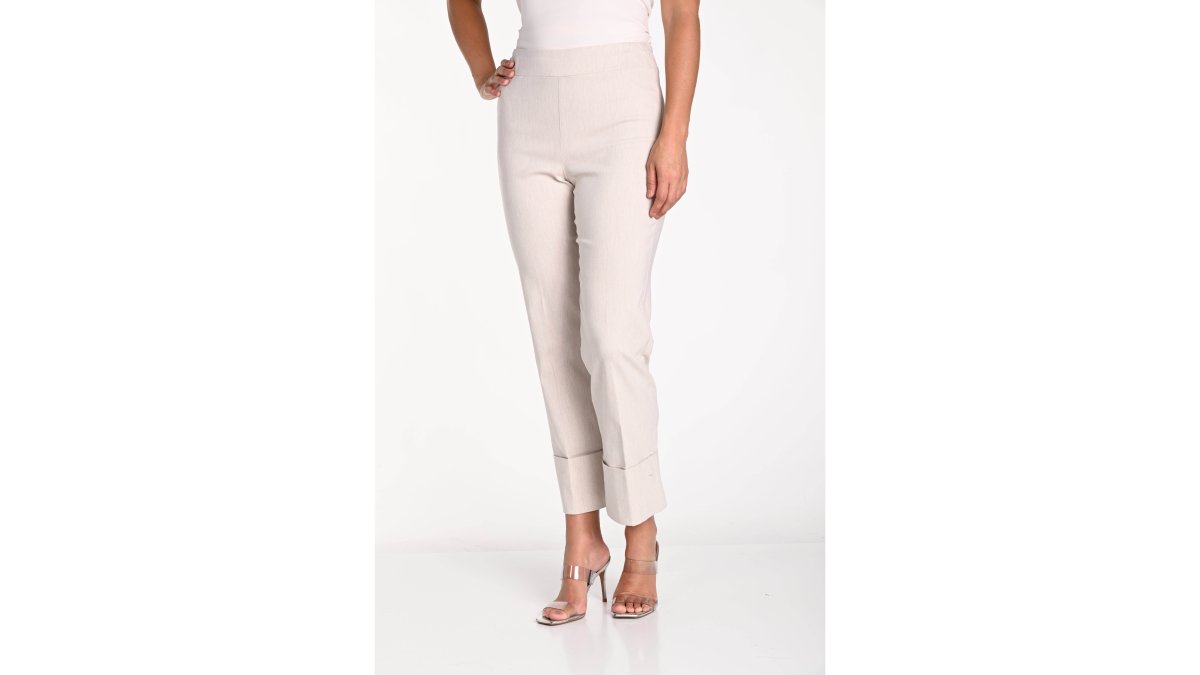
If your waist is clearly narrower than your hips and bust, a high rise usually shows that definition best because the waistband sits at or just above the natural waist. A mid rise can work if you prefer a softer line, but check that the waistband does not cut across the widest part of your hip.
Pear Shapes (Wider Hips, Narrower Shoulders)
A mid to high rise adds structure at the waist and can balance a fuller lower body. Look for a rise that reaches your natural waist at the back so the waistband does not slide down when you sit. If the front rise is much shorter than the back rise, the waistband may tilt forward; compare the two numbers before buying.
Apple Shapes (Fuller Midsection, Less Defined Waist)
A mid rise is often more comfortable because it sits below the fullest part of the stomach. A high rise can still look polished, but choose a style with a wide, flat waistband and enough stretch to avoid rolling. Watch out: a high rise that ends exactly at the widest point of the stomach can create a bulge line, so test sitting and bending before committing.
Athletic or Straight Builds
A straighter waist line often benefits from a mid or high rise to create curve and definition. A high rise with pocket placement that angles inward can add shape; a low rise may emphasize straightness. Test a few rises with the tops you actually wear, since a tucked-in top changes the visual effect more than the rise alone.
Beyond the Labels: Petite, Tall, and Plus-Size Proportions
Standard shape categories do not capture torso length or hip height, so comparing your measurements with the garment's rise is the most reliable check. The practical move is to measure your torso (see the measuring section above) and compare it with the garment's rise, then adjust for comfort and the activity you plan to wear the pants for.
The article ties each body shape to the rise that tends to suit it best.
| Body shape | Rise that tends to suit | Key consideration |
|---|---|---|
| Hourglass and defined waists | High rise | Sits at or just above the natural waist |
| Pear shapes | Mid to high rise | Back rise should reach the natural waist |
| Apple shapes | Mid rise | Sits below the fullest part of the stomach |
| Athletic or straight builds | Mid or high rise | Creates curve and definition at the waist |
Choosing a Rise for a Short Torso
A short torso means the distance between your natural waist and your hip bone is small, so a high rise can sit close to your bust and feel cramped. The fix is not simply to size down or avoid high rises; it is to compare your torso measurement with the garment's front and back rise and to test how the waistband behaves when you move.
Start by measuring your torso as described above: find your natural waist and the top of your hip bone, then measure the distance between them. Most shoppers with a short torso find that a garment rise within about an inch of that measurement sits comfortably without riding up. If the garment rise is much longer, the waistband will likely sit above your natural waist and may press into your ribs when you sit.
Look for these specific features:
- Mid-rise cuts that sit just above the hip bone rather than at the natural waist, which leaves room through the body.
- Petite lengths, which shorten the rise as well as the leg; a petite cut is not just a shorter hem.
- Contoured waistbands that are higher at the back and slightly lower at the front, which follow a shorter torso without gaping.
- Stretch fabrics with recovery, so the waistband moves with you when you sit and returns to shape rather than bagging out.
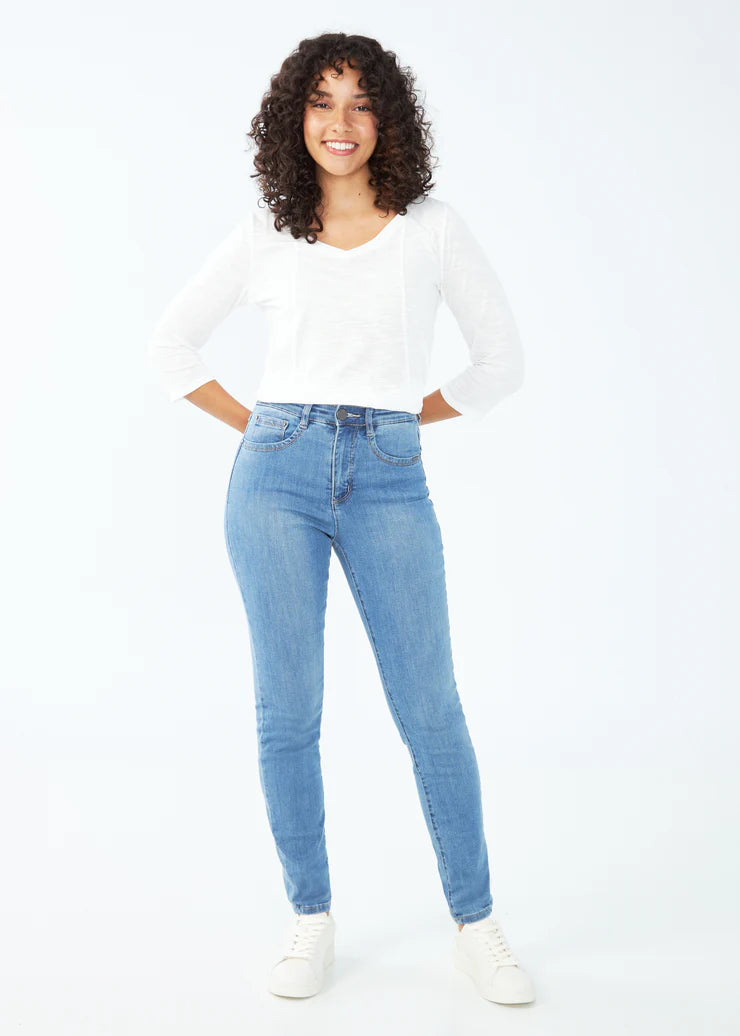
Test the fit by sitting, bending, and walking for a few steps. Watch out: a high rise that feels fine standing can dig into the ribs or roll down when you sit, so always test seated before buying. If you want a higher waist with a shorter torso line, our French Dressing Jeans Petite Suzanne Slim Leg in high rise is cut for petite proportions and is worth trying alongside a mid-rise style to compare where the waistband lands.
Keep in mind that rise measurements vary between brands and even between cuts from the same brand. Rise measurements vary between brands and even between cuts from the same brand. Compare the actual front and back rise numbers on the product page or measure a pair you already own, and keep those numbers in a note on your phone so future online orders are easier.
Choosing a Rise for a Long Torso
A longer torso usually handles a higher rise well. The waistband sits at a natural point and avoids gapping at the back. Low and mid rises can work too, but they may feel short through the body.
Check the fit by sitting and bending. If the waistband stays in place without pinching, the rise is right for you.
Fit Checks, Styling, and Your Next Pair This Season
Before you buy, run through a short fit check:
- Sit, squat, and bend to test comfort and waistband movement
- Check that the waistband lies flat across your back
- Confirm the leg length works with the shoes you plan to wear
This season, pair a high-rise trouser with a tucked-in knit or blouse for a clean, polished look. Mid rises pair easily with longer tops and relaxed layers. If you want a flexible option for the cooler months, our Lisette L bermuda shorts in Laguna stretch show how a rise and fabric can work together for everyday wear.
Ready to find your perfect fit? Browse our current collection and find the rise that suits your shape.
Shop Now
Frequently Asked Questions
Which is better for hiding belly fat, mid rise or high rise?
A high-rise waistband sits at or above the natural waist, while a mid rise sits lower. A mid rise can still work well if the waistband lies flat and the seat fits without gaping. Fit matters more than the rise label alone, so try both styles in your size. Dream Pants carries the High-Rise Trousers from Frank Lyman and the Wide Leg Everyday Pants, both high rise, if you want a smooth-waist option to start with.
How do I know if a rise is right for my short torso?
A short torso usually does best with a mid rise or a rise that sits just below the natural waist, because a very high rise can pull the waistband up into the ribcage and shorten the visual line. Check that the waistband sits comfortably without digging in when you sit. If the rise hits too high, a mid rise often gives a more balanced proportion. Compare the rise measurement in the product details against your own torso measurement before you order.
Can the right rise make my legs look longer?
Yes. A rise that sits at or just above the natural waist lengthens the visual line of the leg, and a full-length or ankle-length cut with a clean hem adds to that effect. Pair a high-rise waist with a column or wide-leg silhouette for a streamlined line. Fabric and colour also play a part: a solid, monochrome look tends to elongate more than a busy pattern.
How do I measure the rise of a pair of pants?
Lay the trousers flat and measure from the top of the waistband at the centre back, down along the inside seam to the crotch seam. This is the rise. Compare that number with your own torso measurement, taken from your natural waist to the crotch line while seated. When the two numbers are close, the rise will sit comfortably. Because brands cut rise differently, always check the garment measurements listed on the product page rather than relying on the size label.


Laissez un commentaire